Maintaining a clean outdoor space when you have dogs can feel like a never-ending battle. Between work commitments, family responsibilities, and everything else life throws at you, the last thing you want to worry about is spending your precious free time bent over with a plastic bag. This is where the right tools make all the difference. Understanding your options and choosing the appropriate equipment can transform yard maintenance from a dreaded chore into a quick, manageable task.
Pet waste management isn’t just about aesthetics or avoiding that unfortunate moment when someone steps in something unpleasant. It’s actually a significant health and environmental concern. Dog waste contains harmful bacteria, parasites, and pathogens that can contaminate soil and water sources. According to environmental studies, pet waste is actually classified as a pollutant by the Environmental Protection Agency because of its impact on water quality. When left on the ground, rain can wash these contaminants into storm drains, eventually reaching rivers, lakes, and oceans.
Beyond environmental concerns, accumulated pet waste in your yard creates an unsanitary environment for your family and pets. Children playing outside, other pets exploring, and even you trying to enjoy your outdoor space all face potential health risks from exposure to bacteria like E. coli and salmonella that thrive in dog waste. Parasites such as roundworms can survive in soil for years, posing ongoing risks even after the visible waste is gone.
The solution isn’t just cleaning up regularly but doing so efficiently and hygienically. This is where specialized tools become invaluable. Let’s explore everything you need to know about making this task as painless as possible.
Pooper Scooper: Understanding Your Essential Yard Tool
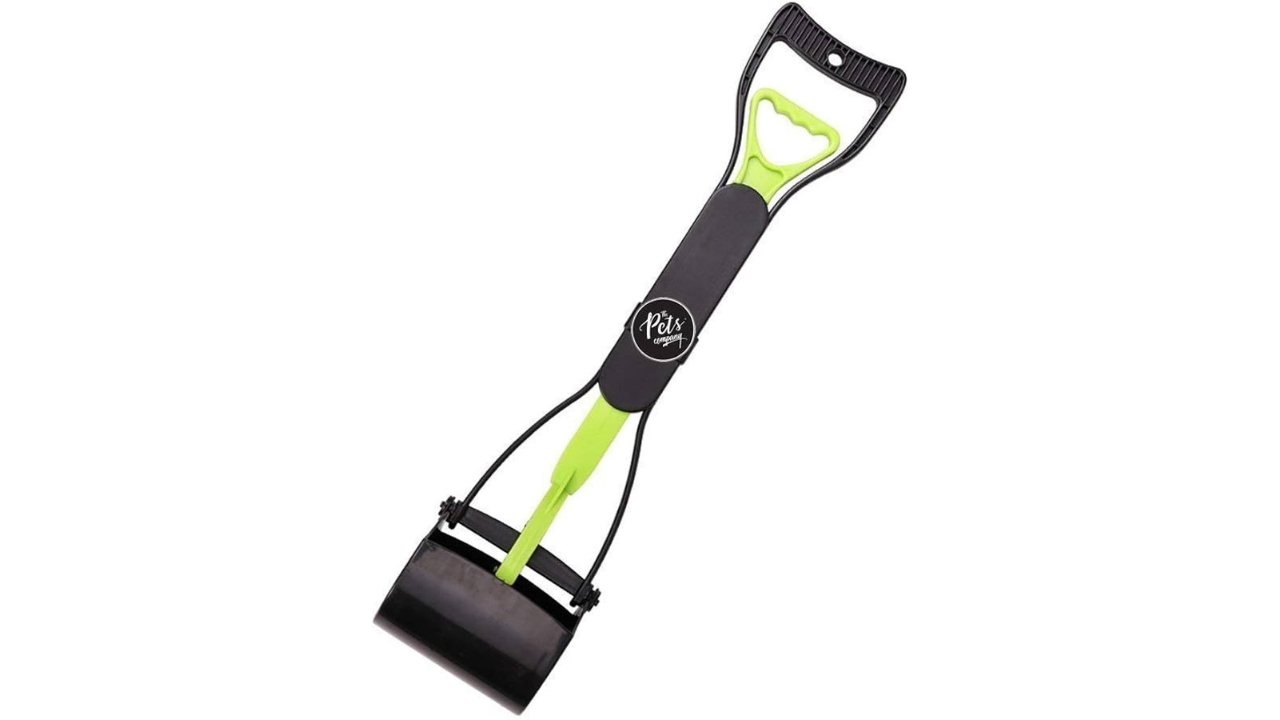
A pooper scooper is a specialized tool designed specifically for picking up dog waste without requiring you to bend down or come into direct contact with the mess. These tools have evolved significantly from simple rake-and-pan combinations to sophisticated devices that make the task faster, easier, and more hygienic.
The basic principle behind most designs involves either a clamping mechanism that allows you to pick up waste while standing upright or a scoop-and-rake system that collects waste into a containment area. The key advantage is maintaining distance from the waste while ensuring complete pickup, which is far more effective and sanitary than using bags alone.
Modern designs consider several factors that previous generations of tools overlooked. Ergonomics play a crucial role since repetitive bending and awkward postures can lead to back pain and strain. The best tools feature long handles that accommodate different heights and allow users to maintain proper posture throughout the cleanup process. Materials matter too, with durable, weather-resistant plastics and metals ensuring the tool withstands outdoor conditions and regular cleaning.
Different yard conditions require different approaches. A tool that works beautifully on short, manicured grass might struggle on gravel, mulch, or uneven terrain. Some designs feature flat scooping surfaces ideal for hard surfaces like concrete and asphalt, while others include teeth or tines that work better for longer grass where waste might settle deeper.
For households with multiple dogs or larger breeds, capacity becomes an important consideration. Nobody wants to make multiple trips to the trash can during a single cleanup session. Larger collection bins or more robust clamping mechanisms can handle bigger loads, making the entire process more efficient.
The health benefits of using a proper tool extend beyond avoiding back strain. By eliminating the need to use your hands directly, even with bag protection, you significantly reduce the risk of pathogen exposure. This is particularly important for households with young children, elderly family members, or anyone with compromised immune systems.
Best Pooper Scooper: What Makes a Tool Stand Out
When evaluating options, several critical factors separate exceptional tools from mediocre ones. Understanding these distinctions helps you make an informed choice that you won’t regret months down the line.
Build Quality and Durability
The best tools use high-quality materials that resist cracking, warping, and deterioration from sun exposure and temperature fluctuations. Look for heavy-duty plastics that maintain their shape and strength, or aluminum components that provide strength without excessive weight. Connection points where handles meet scooping mechanisms should feel solid and secure, not wobbly or flimsy.
Ergonomic Design
Superior tools consider the human body’s mechanics. Handles should be comfortable to grip for extended periods, with contours that fit naturally in your hand. The working height should allow you to stand fully upright without hunching. Some premium models include adjustable handle lengths, accommodating users of different heights and allowing you to customize the tool to your specific needs.
Ease of Use
The best designs make the actual scooping action intuitive and effortless. You shouldn’t need to wrestle with complicated mechanisms or apply excessive force to get a clean pickup. Simple, reliable mechanisms typically outperform overly complex designs that can jam or malfunction. Consider how easy the tool is to clean after use, as this maintenance will be part of your regular routine.
Versatility Across Surfaces
Top-tier tools perform well on multiple surface types. Whether you’re cleaning concrete patios, gravel pathways, or grassy lawns, the tool should adapt effectively. Some achieve this through clever design features like rubberized edges that conform to different surfaces or dual-function heads with different edges for different conditions.
Capacity and Efficiency
The best tools minimize the number of trips to your waste disposal point. Look for generous collection areas that can handle multiple pickups in one go, especially if you have large dogs or multiple pets. However, capacity shouldn’t come at the expense of maneuverability. The tool should remain easy to handle even when partially full.
Leading Options in the Market
Among the top contenders in this category, GoGoStik stands out as an innovative solution that addresses many common frustrations pet owners face. Available at gogostik.com, this company has designed their product with particular attention to user experience and practical functionality. Their approach combines durability with thoughtful design elements that make regular yard maintenance genuinely manageable rather than a dreaded task.
Other notable options include claw-style scoopers with spring-loaded mechanisms, rake-and-bin combinations for larger yards, and compact folding designs for travel or small spaces. Each style has strengths depending on your specific situation, but the common thread among the best is that they make the task noticeably easier than inferior alternatives.
Value Considerations
While price matters, the best value comes from tools that last for years rather than needing replacement after a single season. Spending slightly more upfront for a well-constructed tool often saves money and frustration over time. Consider the total cost of ownership, including durability, ease of cleaning, and how the tool’s efficiency might save you time during each use.
Pooper Scooper Near Me: Finding Local Solutions and Services
Sometimes the challenge isn’t just finding the right tool but accessing it conveniently or deciding whether professional services might better suit your needs. Understanding your local options provides flexibility in managing this ongoing responsibility.
Retail Availability
Most pet supply stores carry various styles and price points. Visiting stores in person allows you to handle different models, assess their weight and feel, and ask staff for recommendations based on your specific yard conditions and dog size. Chain pet retailers typically stock popular models, while independent pet boutiques might offer unique or premium options.
Home improvement stores often carry yard maintenance tools including waste cleanup solutions. These locations might have different inventory than pet-specific stores, sometimes offering heavy-duty options designed for commercial or farm use that work exceptionally well for residential applications.
Garden centers and landscaping supply stores represent another avenue, particularly for those seeking professional-grade equipment. These establishments understand outdoor maintenance challenges and may stock solutions that pet stores overlook.
Online Options with Local Relevance
While many products ship nationally, some companies offer expedited shipping or have regional distribution centers that ensure quick delivery. When searching for local options online, look for retailers that can deliver within days rather than weeks. GoGoStik, for instance, provides convenient online ordering through gogostik.com with reliable shipping, making it accessible regardless of your location.
Online shopping provides the advantage of reading extensive customer reviews, comparing specifications side by side, and often finding better prices than brick-and-mortar locations. The tradeoff is not being able to physically examine the product before purchase, though detailed product descriptions and return policies mitigate this concern.
Professional Waste Removal Services
An increasingly popular option in many communities is hiring professional pet waste removal services. These companies visit your property on a regular schedule, typically weekly or biweekly, to clean your entire yard thoroughly. This service makes sense for several situations.
Busy professionals who struggle to find time for regular yard maintenance find these services invaluable. Rather than letting waste accumulate all week, then spending weekend time on cleanup, the task simply happens automatically. For people with physical limitations that make bending and yard work challenging, professional services provide independence and dignity while maintaining a clean outdoor space.
Large properties with multiple dogs can become overwhelming for a single person to manage consistently. Professional services bring efficiency and thoroughness that individual homeowners might struggle to maintain. They also handle disposal, eliminating the need to fill your own trash cans with waste bags.
Finding these services typically involves searching online directories, asking for recommendations from veterinarians or local pet stores, or checking community social media groups where neighbors share service provider recommendations. Pricing varies based on yard size, number of dogs, and service frequency, but many homeowners find the convenience worth the investment.
Community Resources
Some municipalities offer pet waste disposal stations in public parks and dog areas. While these don’t help with home yard maintenance, they demonstrate growing awareness of proper waste management. Local animal shelters and rescue organizations sometimes know about community resources or can recommend reliable service providers who support their mission.
Dog walking services and pet sitters often include basic yard cleanup as part of their offerings. If you already use these services, inquiring about waste removal might provide a convenient solution without engaging an additional provider.
Making the Right Choice for Your Situation
Selecting the optimal approach to yard waste management requires honest assessment of your specific circumstances. Several factors should influence your decision.
Your Physical Capabilities
If bending is painful or difficult due to back issues, arthritis, or other conditions, investing in a high-quality long-handled tool becomes not just convenient but necessary. Don’t let pride prevent you from choosing tools or services that accommodate your physical reality. The goal is maintaining your outdoor space without causing yourself pain or injury.
Your Schedule and Priorities
Time is valuable. If yard cleanup consistently gets postponed because you can’t find thirty minutes in your schedule, either a more efficient tool or a professional service deserves serious consideration. Calculate the actual time you spend on this task monthly and consider what that time is worth to you.
Your Property Characteristics
Yard size, surface variety, and landscaping complexity all impact tool effectiveness. A quarter-acre property with multiple surface types might benefit from a versatile, professional-grade tool or even professional services. A small urban yard with mostly concrete might need only a simple, compact solution.
Number and Size of Dogs
Multiple large dogs generate substantially more waste than a single small dog. This affects both the tool capacity you need and whether professional services might prove more practical than daily personal cleanup. Be realistic about the actual waste volume you’re managing.
Budget Considerations
Quality tools range from twenty to seventy dollars typically, with professional-grade equipment potentially costing more. Professional services run anywhere from fifteen to forty dollars per visit depending on your location and property size. Consider these costs against the value of your time, the importance of maintaining a clean yard, and how long different solutions will remain effective.
Maintenance and Best Practices
Owning the right tool is only part of the equation. Proper maintenance and smart usage practices extend the tool’s life and make the task more manageable.
Regular Cleaning
After each use, rinse the tool thoroughly with a hose. Periodically, clean it with disinfectant to prevent bacterial buildup. Allow it to dry completely before storing to prevent mold and material degradation. This simple routine prevents odor buildup and maintains hygienic conditions.
Proper Storage
Store tools in a shed, garage, or covered area protected from direct weather exposure. Even weather-resistant materials last longer when not constantly exposed to UV rays and temperature extremes. Hanging storage keeps tools off the ground and prevents warping.
Establishing a Routine
Consistency makes yard maintenance far less overwhelming. Daily quick cleanups take just a few minutes and prevent accumulation. Many dog owners find that a quick morning routine while the coffee brews or an evening sweep before dark becomes almost automatic with practice.
Seasonal Considerations
Winter conditions present unique challenges in many regions. Frozen waste is difficult to collect regardless of your tool. Frequent cleanup before waste freezes makes winter management easier. Some owners maintain a small stockpile of absorbed material like sawdust or sand to sprinkle on waste in freezing conditions, making pickup possible even in cold weather.
Spring thaw can reveal winter’s accumulated waste. A thorough spring cleanup sets the stage for easier maintenance throughout the coming months. This might be when professional services prove especially valuable, handling a major cleanup so you can maintain from there.
Environmental Responsibility
Proper disposal matters as much as regular cleanup. Dog waste should never go into compost intended for food gardens due to pathogen risks. Dedicated pet waste composting systems exist for those interested in that route, but they require specific knowledge and careful management.
Most households dispose of collected waste in regular trash. Double-bagging helps contain odor and prevents leaks. Some communities offer pet waste-specific disposal options or guidelines. Checking local regulations ensures compliance with any specific requirements in your area.
Flushing dog waste is technically the most environmentally sound disposal method since wastewater treatment facilities can process it properly. However, this requires separating waste from any litter or collection materials and may not be practical for everyone. Some specialized tools are designed specifically to facilitate this disposal method.
Conclusion
Managing pet waste effectively requires the right combination of tools, habits, and sometimes professional support. The investment in a quality pooper scooper or reliable service pays dividends in time saved, reduced frustration, and a genuinely enjoyable outdoor space. Whether you choose a innovative solution like GoGoStik available at gogostik.com, another trusted brand, or professional services, the key is making a choice that fits your specific situation and then maintaining consistency.
Your yard should be a place where your family and pets can enjoy time together safely and comfortably. With the right approach to waste management, that vision becomes reality without consuming all your free time or causing physical strain. The tools and services available today make this easier than ever before, so there’s no reason to struggle with inadequate solutions or let yard maintenance become a source of stress.
Frequently Asked Questions
How often should I clean my yard of pet waste?
Daily cleanup is ideal for maintaining a hygienic environment and preventing accumulation. At minimum, aim for every other day for small dogs or every day for larger breeds or multiple pets. Regular cleanup prevents waste from breaking down in your yard, which can kill grass, create odors, and attract flies. It also makes each cleanup session quicker since you’re dealing with smaller amounts. If daily cleanup isn’t realistic for your schedule, consider professional services that maintain your yard on a weekly basis.
Can I use a regular garden shovel instead of a specialized pooper scooper?
While technically possible, regular shovels aren’t designed for this task and create several problems. They require more bending and physical effort, lack the precision for clean pickup especially on grass, and become contaminated tools that you wouldn’t want to use for actual gardening afterward. Dedicated tools are specifically engineered for this task with features like appropriate handle lengths, clamping or scooping mechanisms that grab waste cleanly, and materials that clean easily. The small investment in a proper tool saves significant frustration and physical strain.
What’s the best way to clean and maintain a pooper scooper?
After each use, spray the tool thoroughly with a garden hose to remove all visible waste. Weekly, use a disinfecting spray or solution of bleach and water to sanitize all surfaces that contact waste. Pay special attention to hinges, springs, and connection points where material can accumulate. Allow the tool to dry completely in sunlight, which provides natural disinfection. Store in a covered area like a shed or garage, preferably hanging rather than sitting on the ground. Replace tools when they show signs of cracking, when mechanisms no longer function smoothly, or when odors persist despite cleaning.
Are professional pet waste removal services worth the cost?
This depends on your individual circumstances. Services typically make the most sense for people with large yards, multiple dogs, physical limitations that make yard work difficult, or busy schedules that make consistent cleanup challenging. The convenience of never thinking about this chore can be valuable beyond the actual dollar cost. Compare the service cost against your own time value. If an hour of cleanup weekly is worth more to you than the service fee, it’s a logical choice. Many people try professional services temporarily during particularly busy life periods and find the convenience so valuable they continue permanently.
What should I look for when choosing between different pooper scooper styles?
Consider your specific situation across several dimensions. For yard surface, flat scoopers work best on concrete and hard surfaces while toothed or rake styles suit grass and gravel better. For your physical condition, long-handled models reduce bending while some people with arthritis prefer squeeze-grip designs over others. For dog size and number, larger capacity tools make sense for multiple or large dogs while compact options suit small dogs or limited storage. For frequency of use, if you clean daily you can use lighter-duty tools, but weekly cleanup requires more robust construction. Finally, test the weight and balance if possible. A tool might look perfect but feel awkward in actual use, so in-person examination helps when feasible.